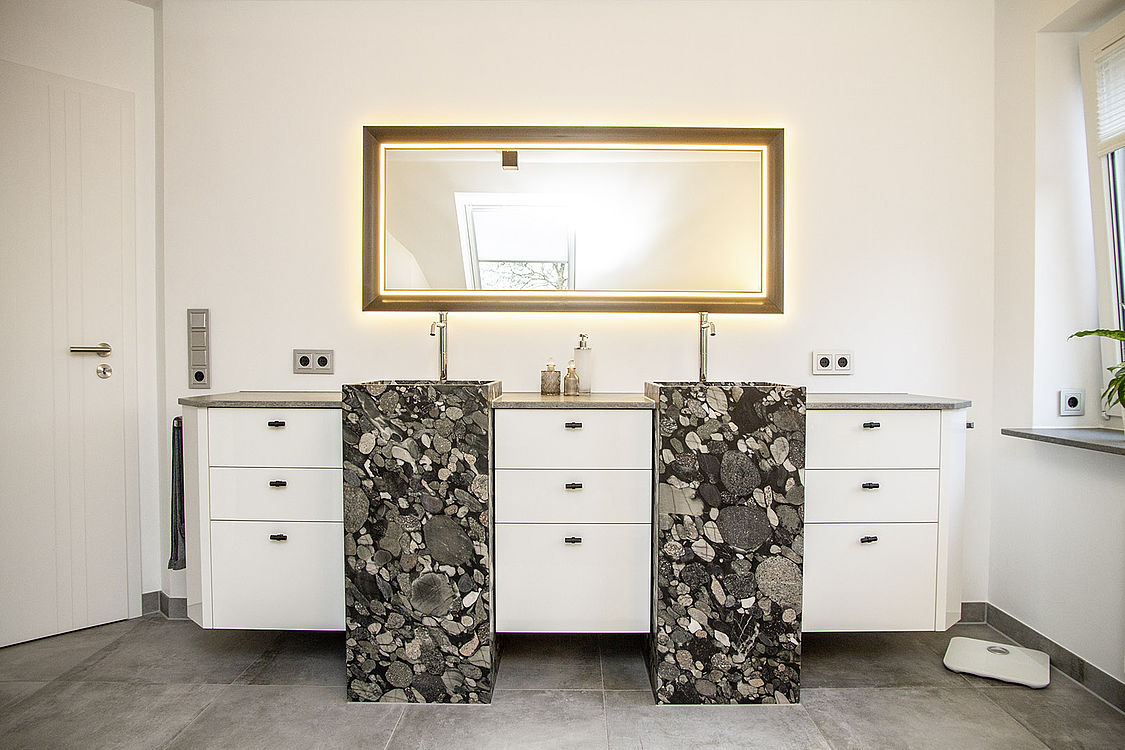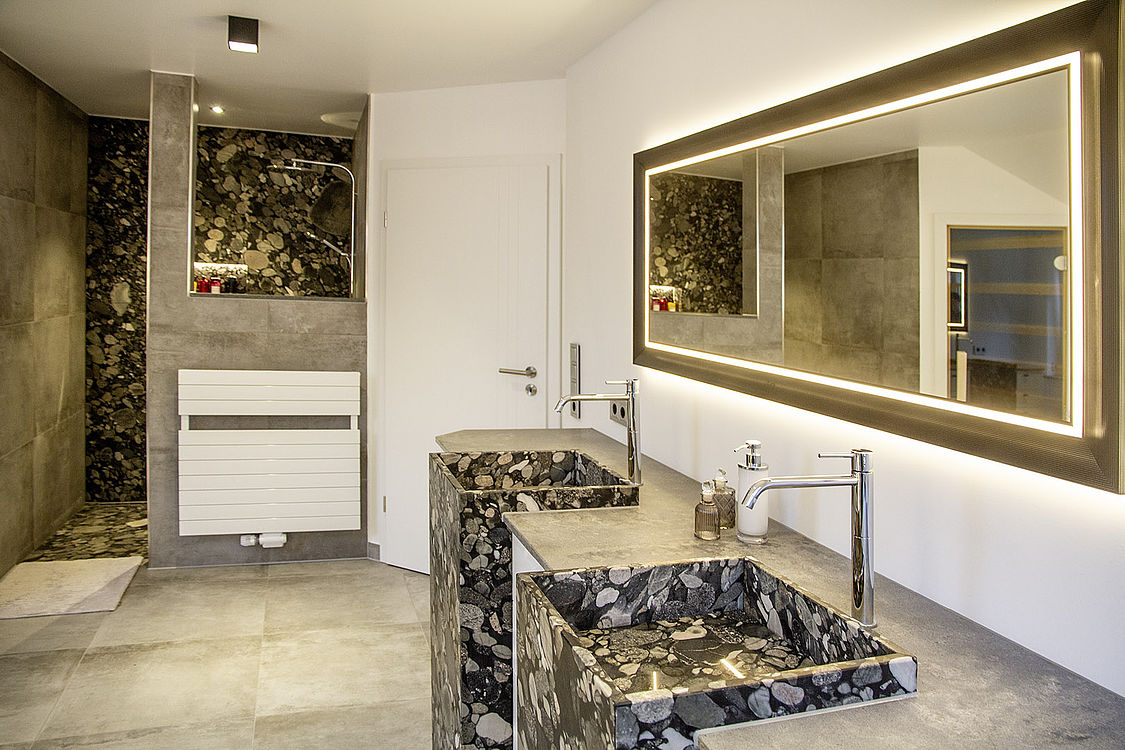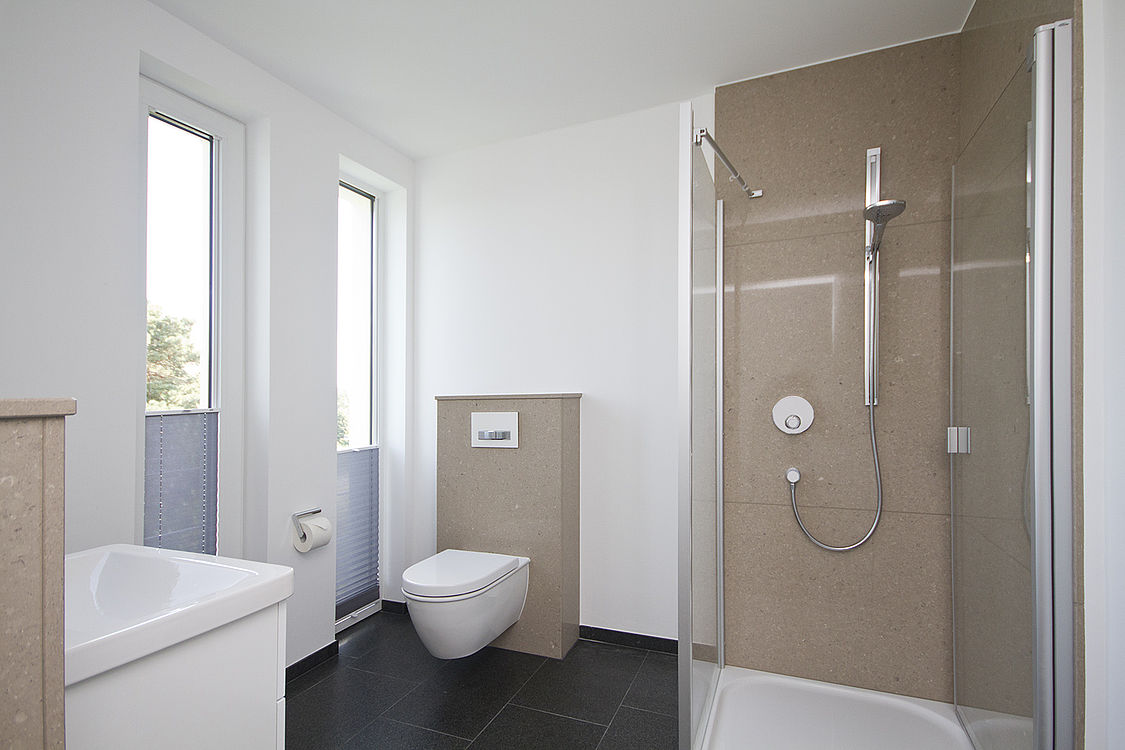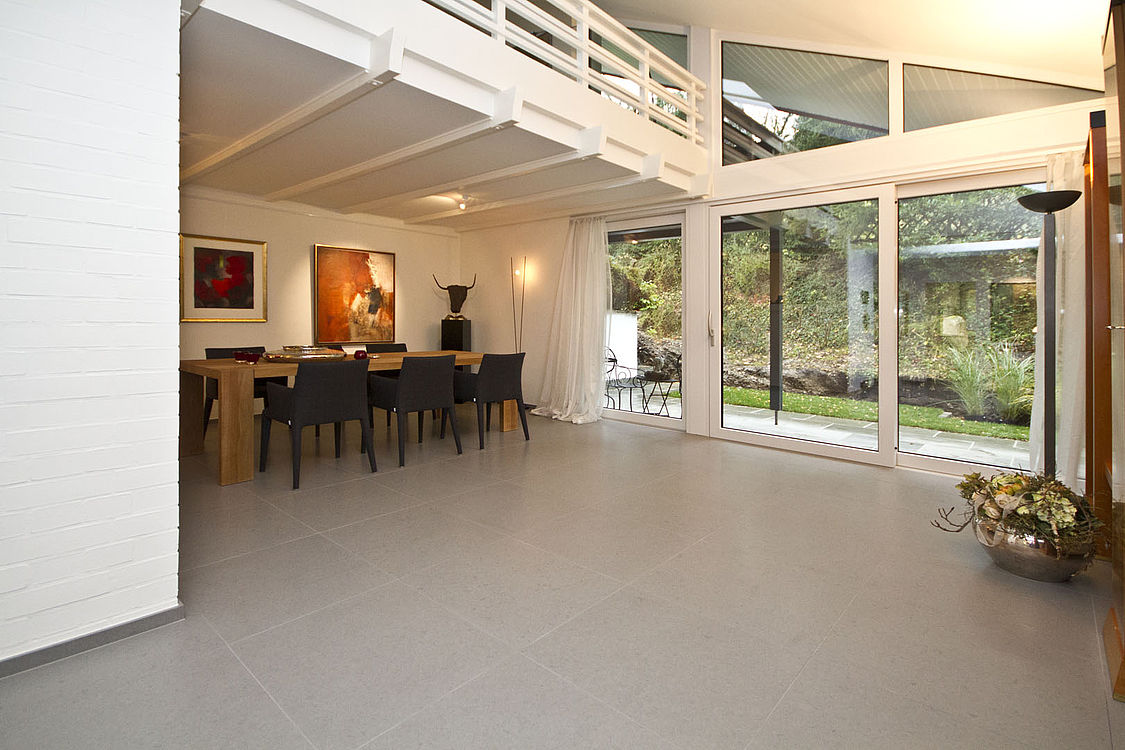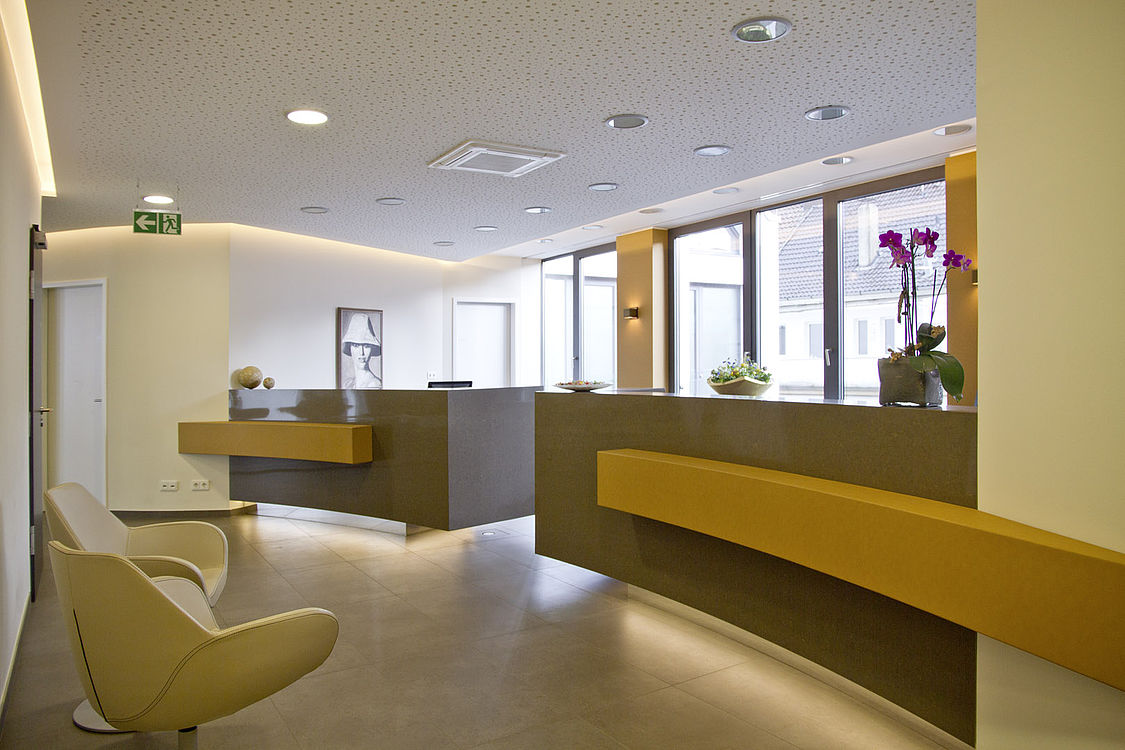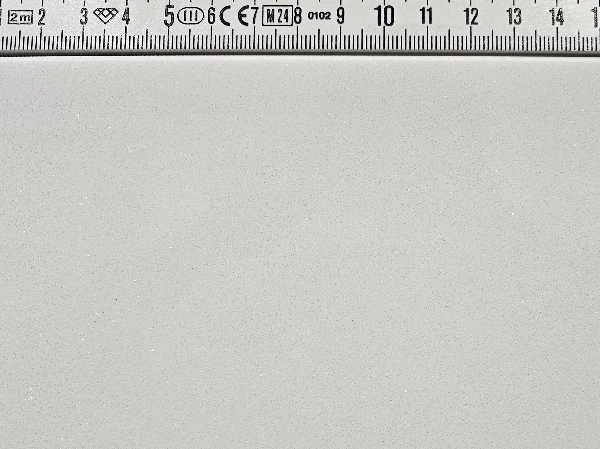
Engineered quartz is over 90 % natural quartz, bound with resin. The result is a material that combines the hardness of natural stone with the consistency of industrial production.
The non-porous surface absorbs no liquids, resists staining and needs no impregnation. Coffee, wine and lemon juice — what marble will not forgive is no problem for quartz. It has become the low-maintenance choice for kitchen worktops and washstands in particular.
The ROSSITTIS range holds engineered quartz by Caesarstone, Diresco, Cambria and our own brand CTX-BasicQuarz — filter by colour and design.
 389 slabs
Description to follow
389 slabs
Description to follow
Caesarstone® Quarz 5212 Taj Royale
 148 slabs
CTX BasicQuarz® 1611 Frost White
 112 slabs
Caesarstone® Quarz 2141 Snow
 116 slabs
Caesarstone® Quarz 4120 Raven
 107 slabs
Caesarstone® Quarz 3141 Osprey
 97 slabs
Description to follow
97 slabs
Description to follow
CTX BasicQuarz® 0114 Classic Black
 96 slabs
Caesarstone® Quarz 4033 Rugged Concrete
 92 slabs
Caesarstone® Quarz 4003 Sleek Concrete
 94 slabs
Description to follow
94 slabs
Description to follow
Caesarstone® Quarz 5144 Rossa Nova ICON
 86 slabs
Caesarstone® Quarz 3100 Jet Black
 84 slabs
CTX BasicQuarz® 1612 Elegant White
 79 slabs
Caesarstone® Quarz 4030 Oyster
The leading engineered quartz manufacturers in the ROSSITTIS range — each brand with its own design profile and quality promise.
Designed for your life
Caesarstone is regarded as a fashion and design product for worktops and large-format floor and wall claddings. Uniform worldwide availability makes the product particularly sought after in kitchen worktop production and in project construction. The colour collection ranges from the classic salt-and-pepper motif through to vivid marble reproductions. Available in three finishes: polished, honed and brushed.
More on Caesarstone →Better than Nature
Diresco is a Belgian family business, founded in 2003 by Chris Schelfhout. With the innovative Cava range, Diresco offers an industrial concrete and travertine look that matches current design trends. Continuous investment and a focus on sustainability make Diresco an important player on the international engineered quartz market.
More on Diresco →Design Collection
Cambria is the only family-run engineered quartz manufacturer in the USA. The Cambria Design Collection comprises over 200 designs, inspired by natural rock types. Every slab is produced in the USA and stands for premium quality and exclusive aesthetics.
More on Cambria →Price – value
CTX-BasicQuarz is the own brand of ROSSITTIS for inexpensive engineered quartz surfaces. Solid quality at an attractive price-performance ratio – ideal for budget-conscious projects.
More on CTX-BasicQuarz →Engineered quartz positions itself between natural stone and ceramic: easier to care for than granite, warmer to the touch than ceramic, more flexible in design than either – but without the uniqueness of natural stone and without the UV resistance of ceramic.
Kitchen worktops are THE main area of use for engineered quartz. The combination of stain resistance, hygiene and design variety makes it the most popular alternative to natural stone in the modern kitchen.
Bathrooms – washstands, shower claddings and wall panels benefit from the water resistance and the ease of care.
Floor and wall claddings in commercial projects – hotels, restaurants and retail make use of the large formats and the uniform appearance.
Furniture surfaces – tables, reception counters and bar tops rely on the hard-wearing quality and the design flexibility.
Not suitable for: outdoor areas (UV sensitivity), direct heat above 150 °C (resin content).
Projects in which Engineered quartz has been used to great effect.
Engineered quartz – also called quartz composite – is an industrially produced surface material consisting of around 93 % natural quartz crystals and 7 % polyester resin and pigments. Production takes place under extreme pressure and heat (the Bretonstone process), which creates an extremely dense, non-porous surface.
Unlike natural stone, engineered quartz is almost uniform in colour and structure. This consistency makes the material particularly attractive for large-area projects in which a uniform appearance is decisive.
The leading manufacturers in our range are Caesarstone (Israel/worldwide), Diresco (Belgium), Cambria (USA) and our own brand CTX-BasicQuarz. Every manufacturer offers its own design lines with differing colour and surface concepts.
Important for classification: engineered quartz is NOT a natural stone. It is a high-grade industrial product that combines the aesthetics of natural stones with superior functionality. Anyone looking for the uniqueness and the feel of genuine natural stone is better served by granite or quartzite.
Typical value ranges for engineered quartz. Individual brands may differ.
Engineered quartz convinces through a combination of properties that no single natural stone can offer: absolute stain resistance, scratch resistance at granite level (Mohs 7), zero water absorption and full acid resistance. The closed surface is hygienic and needs no impregnation.
The colour palette of engineered quartz is virtually unlimited, since the pigmentation is controlled industrially.
White and marble looks dominate the market: designs such as Caesarstone Statuario Maximus or Diresco Divinity White reproduce the aesthetics of Carrara and Calacatta – without their sensitivity to acid.
The concrete look is the second strongest trend: Diresco Cava and Caesarstone Sleek Concrete offer an industrial aesthetic for modern kitchens and lofts.
Classic solid colours such as pure white, black and grey form the foundation for minimalist designs.
Natural stone reproductions of granite and travertine extend the palette with organic textures.
Engineered quartz is among the easiest surface materials to care for in the ROSSITTIS range.
No impregnation needed: the closed surface absorbs no liquids. Wine, coffee, oil – simply wipe away.
Daily cleaning: warm water and a mild cleaning agent are enough. For stubborn stains: a non-abrasive cleaner.
Avoid: no heat above 150 °C directly on the surface (use trivets). No steam cleaners. No aggressive solvents.
Engineered quartz consists of approx. 93 % natural quartz crystals and 7 % polyester resin. It is produced industrially under pressure and heat and offers a non-porous, stain-resistant surface. Well-known brands are Caesarstone, Diresco, Silestone and Cambria.
Different, not better. Engineered quartz is easier to care for and more uniform; granite is more heat-resistant and suitable for outdoor use. Engineered quartz offers no natural uniqueness – every slab looks the same. The choice depends on your priorities: ease of care or natural character.
No. The resin content reacts sensitively to UV radiation – under permanent exposure to sunlight the surface can yellow or fade. For outdoor use we recommend granite, quartzite or ceramic.
Engineered quartz is extremely easy to care for. Warm water and a mild washing-up liquid are enough for daily cleaning. No impregnation needed. Avoid direct heat above 150 °C and aggressive solvents.
Engineered quartz is an industrially produced product (93 % quartz + 7 % resin). Quartzite is a natural metamorphic stone (100 % natural). Both are hard and scratch-resistant, but quartzite is more heat-resistant and suitable for outdoor use. Engineered quartz is easier to care for and more uniform.
We carry Caesarstone (Israel/worldwide), Diresco (Belgium), Cambria (USA) and our own brand CTX-BasicQuarz. Every brand offers its own design lines – from classic solid colours through marble reproductions to concrete looks.
No. The closed, non-porous surface absorbs no liquids. That distinguishes engineered quartz fundamentally from natural stone, which has to be impregnated regularly.