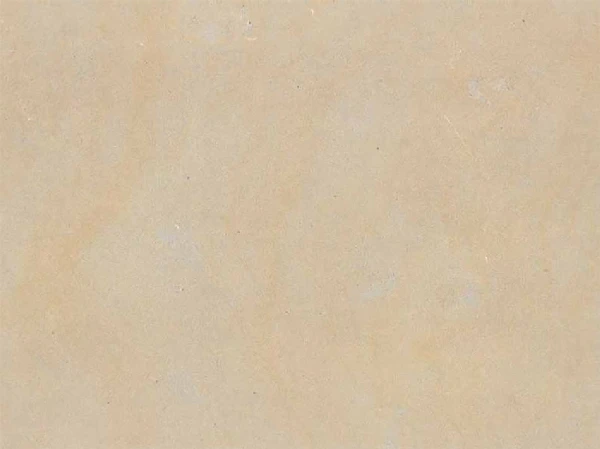
Grigio Perla Toscano is a Tuscan calcarenite (calcareous sandstone) from the province of Florence with a pearl-grey base colour, slightly silvery accents and a very fine, even grain texture. A classic Italian sandstone for wall claddings, floor areas, window sills, pool surrounds and prestige interior and exterior architecture in the Mediterranean tradition.
More precisely a calcarenite (a calcareous sandstone), listed in the trade as sandstone.
Other trade names: Arenaria Grigio Perla, Gray Pearl Sandstone, Grigio Perla Arenaria, Grigio Perla Calcarenite, Grigio Perla Sandstone, RO-04-034
About Grigio Perla Toscano
Grigio Perla Toscano is a classic Tuscan sandstone from the quarry regions around Florence — petrographically, more precisely, a calcarenite, that is, a calcareous sandstone whose sand grains consist predominantly of calcium carbonate. Characteristic is a calm, even pearl-grey base colour with slightly silvery to warm cream-coloured shadings and a very fine, homogeneous grain texture without pronounced veins or speckles. It is precisely this calm and elegance that has made the stone popular in Italian architecture for centuries. At ROSSITTIS we carry Grigio Perla Toscano for wall claddings, floor areas, window sills, staircases, plinth details, pool surrounds, fountain surrounds, façade claddings, columns, reliefs and project-specific special fabrications.
Geologically, Grigio Perla Toscano comes from the province of Florence in Tuscany — one of the most tradition-rich Italian natural stone regions. Calcarenites form through the consolidation of marine sediments in which fine grains of calcareous sand — often from shell fragments or mineral carbonate particles — are cemented by a calcareous binder. This geological peculiarity gives the stone a warm, natural character and makes it softer and easier to work than a typical quartz sandstone, but at the same time more sensitive to acids. On the international market the material also runs under the trade names Arenaria Grigio Perla, Grigio Perla Sandstone, Grigio Perla Calcarenite and Gray Pearl Sandstone.
The technical values place Grigio Perla Toscano in the upper middle range of the sandstones: bulk density 2,450 kg/m³, compressive strength 88 MPa, flexural strength 12.6 MPa, water absorption 1.53 per cent. The moderate water absorption is typical of calcarenites and means that the material must be sealed in damp or heavily used areas. For classic wall claddings, prestige interior surfaces and Mediterranean floor areas the load-bearing capacity is entirely sufficient; for heavily used external stairs or areas exposed to de-icing salt we recommend checking suitability for the specific installation on a project-by-project basis. Compared with harder sandstones such as Pietra Serena (also Tuscan, but with considerably higher strength), Grigio Perla is softer and finer, but more elegant and calmer in appearance — a stone for prestige rather than for construction.
At ROSSITTIS, Grigio Perla Toscano is available as a raw slab, as a floor tile, as a tread and riser, as a window sill, as a skirting, as a wall facing, as a pool surround, as a column and as a project-specific cut to size; likewise as a vanity top. The surface finishes available in stock are listed in the »Finishes« block further down. A matt, textured surface finish is the typical choice for classic Italian architecture.
Our honest assessment: Grigio Perla Toscano is a classic, elegant wall stone and prestige sandstone, not a robust structural granite. Anyone looking for the warm, calm elegance of Tuscan architecture — pearl grey, fine, even, with a Mediterranean character — gets a very coherent stone in Grigio Perla. In use, the moderate water absorption and the lower acid resistance of a calcarenite should be taken into account: a good sealer, pH-neutral cleaning, avoidance of acid contact and no direct de-icing salt applications. For classic interior and façade applications with a Mediterranean aspiration, Grigio Perla is a very successful choice.
In stock
Current availability from our warehouse.
2 slabs in stock · plus 2 blocks
Thicknesses: 2 cm · Finishes: Sandblasted, Satin-honed · Available as: Slabs
Guide values for the stone type, taken from manufacturer and test reports. Natural stone is a natural product — individual batches and slabs can differ. For critical applications, request slab-specific test data.
Rohdichte
2.450 kg/m³
Druckfestigkeit
88,0 MPa
Biegezugfestigkeit
12,6 MPa
Wasseraufnahme
1,53 %
Finishes
Grigio Perla Toscano is available in a range of finishes. The finish affects appearance, feel and the care it needs.
Sandblasted
The surface is blasted with high pressure and quartz sand and evenly roughened — the surface stays level but feels rough to the touch. The colour appears more restrained than on polished versions. Slip-resistant and suitable for outdoor areas — a characterful finish for Mediterranean paving and steps.
Satin-honed
The surface is brushed — softer minerals are removed in a targeted way, creating a subtle depth with a matt appearance. A characteristic sandstone look with a warm, gently rough feel. More maintenance-intensive than hard stones, but characterful and natural — for interior surfaces and sheltered exterior applications.
Care & fabrication
As a Tuscan calcarenite, Grigio Perla Toscano is a comparatively soft and calcareous sandstone and correspondingly needs careful maintenance. Directly after installation we recommend a sealer on a silane, polysiloxane or stone-protection base — it markedly reduces the water absorption and at the same time protects against stains from wine, coffee, oil or tomato sauce. Routine cleaning is done with a pH-neutral natural stone cleaner and a soft microfibre cloth or mop; clear water alone is almost always enough for daily care. You should at all costs avoid acidic cleaners (vinegar, citric acid, descalers), aggressive all-purpose cleaners, abrasive pads and hard brushes — acids etch the calcareous stone and can cause visible dull patches. Outdoors, avoid contact with de-icing salt where possible; after the winter, rinse salt residues off thoroughly with clear water. We recommend refreshing the sealer every two to three years depending on exposure — more frequently on heavily used floor areas.
Frequently asked questions
Is Grigio Perla Toscano a sandstone or a limestone?
Grigio Perla Toscano is a calcarenite — petrographically a calcareous sandstone whose sand grains consist predominantly of calcium carbonate. In the trade it is consistently listed as a sandstone (Italian arenaria), but in terms of care it behaves more like a soft limestone: acid-sensitive, with moderate porosity, to be sealed carefully.
What other designations does the material carry?
Internationally the material runs under Arenaria Grigio Perla, Grigio Perla Sandstone, Grigio Perla Calcarenite and Gray Pearl Sandstone. All designations refer to the same Tuscan calcarenite from the province of Florence.
Which surfaces are available for Grigio Perla Toscano?
The surface finishes available in stock are listed in the »Finishes« block on this page.
Is Grigio Perla Toscano suitable for external surfaces?
For classic external wall claddings, window sills and Mediterranean floor areas under a roof the material is well suited. Under direct weathering in freeze-thaw regions or under de-icing salt exposure we recommend a project-specific suitability assessment — the water absorption of 1.53 per cent lies in the middle range for calcarenites and calls for a reliable sealer. Pool surrounds under a roof or in mild climate zones are possible without difficulty.
Is Grigio Perla Toscano suitable for kitchen worktops?
With reservations. As a calcareous sandstone, Grigio Perla Toscano is acid-sensitive — wine, lemon juice, vinegar, tomato sauce or carbonated drinks can leave visible etch marks. With a good sealer and careful maintenance the material can be used for design-accented bar counters or breakfast surfaces — for classic main worktops with heavy acid exposure, hard stones such as granite or quartzite are more suitable.
Where does Grigio Perla Toscano come from?
The material comes from the quarry regions around Florence in Tuscany — one of the most tradition-rich Italian natural stone regions, with a centuries-old stone building tradition. Tuscan calcarenites have been used in Italian architecture since antiquity.
How do I clean and care for Grigio Perla Toscano?
Daily care with a pH-neutral natural stone cleaner and a soft microfibre cloth or mop. Acidic cleaners (vinegar, citric acid, descalers) and aggressive all-purpose cleaners must be avoided at all costs — they etch the calcareous stone. A silane-based sealer after installation protects against stains and markedly reduces the water absorption. We recommend refreshing it every two to three years.
What does Grigio Perla Toscano cost?
The price depends on the batch, thickness, surface finish and fabrication — with natural stone there is no serious flat rate per square metre. Business customers see prices once their B2B account is activated; private customers receive a complete quote through a fabricator near them.