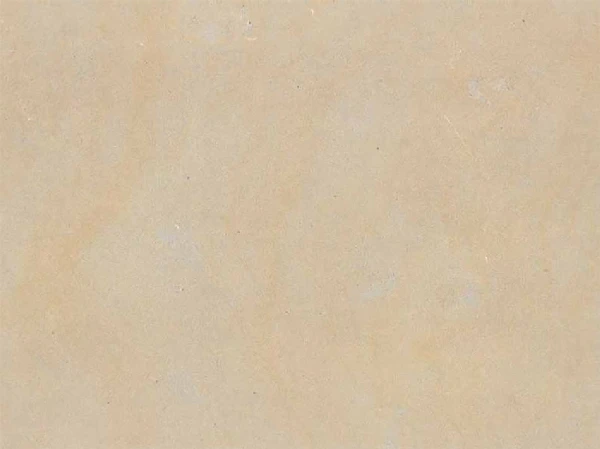
Pietra Serena is a blue-grey Tuscan sandstone with a fine grain and a classic Florentine feel. At ROSSITTIS it is used for stairs, floor slabs, window sills, wall cladding and architectural worked pieces with a strong design intent.
Sandstone
Italy
2.555 kg/m³
Available as: Slabs, Paving slabs, Tiles and flooring slabs
Pietra Serena is one of those stones that work not through volume but through composure. The material shows a blue-grey to grey-blue tone, a fine grain and an even, quiet surface with a light micaceous shimmer. This sober elegance is the reason why Pietra Serena has been associated with Florence and Tuscan architecture for centuries. Stairs, reveals, floors, benches, fountains, window surrounds and sculptural worked pieces work particularly well in this sandstone, because it is on the one hand fine enough for precise shaping and on the other robust enough for genuine building tasks.
The stone comes from Tuscany, from the Florence area, that is, from the northern Apennines. Petrographically it is a sandstone, more precisely a lithic arkose. That explains both its good workability and its more open pore structure compared with granite or quartzite. Compared with hard grey granite, Pietra Serena appears warmer, softer and architecturally more cultivated. Compared with slate the surface is less riven; compared with Jura limestone, markedly cooler and more linear.
The technical values show a building stone to be taken seriously: bulk density is 2,510–2,600 kg/m³, compressive strength 87.0–102.0 MPa, flexural strength 7.5–11.9 MPa, water absorption 1.82–2.5 % and the abrasion value 23.3 mm. This is not a dense hard stone, but a capable sandstone with clear architectural suitability. For stairs, floor slabs, window sills and shaped components the profile is good, provided the build-up, drainage and choice of finish suit the application.
Honed is the classic finish for Pietra Serena, because it best shows the quiet blue-grey effect and the fineness of grain. The surface finishes currently held in stock are listed in the »Finishes« block further down. At ROSSITTIS, Pietra Serena is available as an unsized slab, in tiles, as tread and riser, window sill, skirting, wall cladding and for made-to-measure architectural elements.
The honest assessment: Pietra Serena is not a stone for aggressive cleaning routines or carefree external construction. Water absorption is higher than with granite, and the edges too deserve clean planning on freely weathered components. Anyone who allows for exactly that gets one of the most characterful European sandstones, with enormous design quality.
In stock
Current availability from our warehouse.
59 slabs in stock · plus 19 blocks
Thicknesses: 1.2–4 cm · Finishes: Honed C220, Flamed + brushed once · Available as: Slabs, Paving slabs, Tiles and flooring slabs
Guide values for the stone type, taken from manufacturer and test reports. Natural stone is a natural product — individual batches and slabs can differ. For critical applications, request slab-specific test data.
Rohdichte
2.555 kg/m³
Druckfestigkeit
94,5 MPa
Biegezugfestigkeit
9,7 MPa
Wasseraufnahme
2,16 %
Finishes
Pietra Serena is available in a range of finishes. The finish affects appearance, feel and the care it needs.
Honed C220
Matt appearance created by fine honing with a C220 grit — the level surface has a calm look, and light honing marks are possible. More maintenance-intensive than polished, but with a characterful, natural appearance. A choice for sandstone floor areas and wall claddings that call for a matt Mediterranean effect.
Flamed + brushed once
The surface is roughened by heat and brushed once — sharp-edged mineral remnants are smoothed and loose material is removed. A slightly gentler feel than flamed alone, still slip-resistant, with a colour less intense than polished. Recommended for outdoor areas, terraces and heavily used non-slip surfaces.
Care & fabrication
Pietra Serena should be sealed after installation, because sandstone is markedly more open than granite. A good sealer makes cleaning and maintenance easier and reduces the penetration of water and dirt.
For cleaning and maintenance, pH-neutral stone cleaners, little surfactant and a soft cloth or mop are suitable. On textured surfaces, dirt should be removed regularly before it becomes lodged in the pores.
Avoid aggressive acids, film-forming maintenance products and heavy pressure washing at edges and joints. Oil, red wine or tannins from leaves should not be left to act unnecessarily long on floors and work surfaces.
Outdoors, good drainage is particularly important. Frost is less a problem of the stone itself than of the combination of moisture, standing water and an unsuitable build-up.
Frequently asked questions
Is Pietra Serena suitable for a kitchen?
In principle yes, but more for carefully used kitchens than for hard everyday zones. At 1.82–2.5 % water absorption, Pietra Serena is markedly more open than granite, which is why sealing and prompt cleaning are particularly important.
Which finishes are available for Pietra Serena?
The surface finishes currently held in stock are listed in the »Finishes« block on this page.
Where does Pietra Serena come from?
Pietra Serena comes from Tuscany and is closely bound up with the architecture around Florence. The stone has been used for centuries for stairs, reveals, floor slabs and sculptural worked pieces.
How do I clean Pietra Serena correctly?
For cleaning and maintenance, use pH-neutral stone cleaners and keep residue formation to a minimum. Open sandstone surfaces should not be treated with aggressive acids or film-forming maintenance products.
Is Pietra Serena frost-resistant?
Pietra Serena can work outdoors, but demands a clean build-up. At 1.82–2.5 % water absorption, the construction has to take moisture and drainage markedly more seriously than with dense granite.
Pietra Serena or Basaltina – which is better?
Basaltina appears denser and more technical, Pietra Serena finer and more Tuscan. If you are looking for a classic Florentine feel and good workability, Pietra Serena serves you better.
What does Pietra Serena cost?
The price depends on the batch, thickness, surface finish and fabrication — with natural stone there is no serious flat rate per square metre. Business customers see prices once their B2B account is activated; private customers receive a complete quote through a fabricator near them.