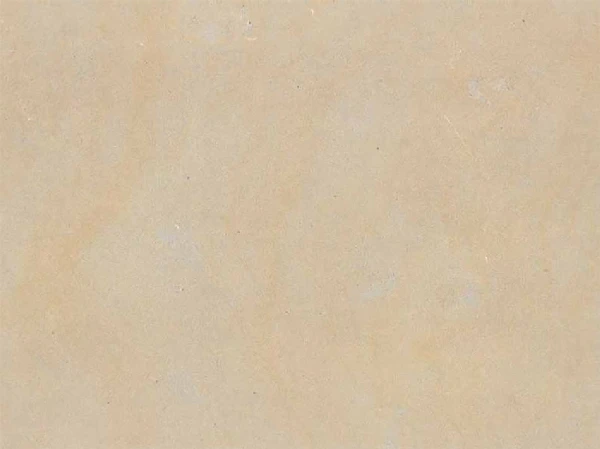
Cabernet is a dark brown Brazilian volcanic rock with a brecciated structure and a compact, powerful effect. At ROSSITTIS it is carried as a dark granite type for façades, stairs, worktops and external surfaces.
Other trade names: Cabernet Brown Granite, Marron Quarzit, Moon Rock, Quartizito Marrom, Quarzit Marron
About Cabernet
Cabernet is a dark stone with a great deal of depth. Its colouring moves between brown, brown-black and dark grey, together with a brecciated, slightly nodular structure that gives the material character without becoming restless. In contrast to coarsely crystalline brown granites, Cabernet appears finer, more closed and somewhat more volcanic in feel. On façades, kitchen islands, stairs or striking wall surfaces in particular this is highly distinctive.
The stone comes from Brazil and petrographically it is a dacite, that is, a volcanic rock. On the market it is nevertheless mostly read within the granite segment, because its use, fabrication and customer expectations clearly belong with the hard rocks. Compared with Brown Pearl, Cabernet is finer and darker; compared with Brown Antique, quieter and more homogeneous in mineral terms. Anyone looking for a dark brown tone with technical hardness but without open coarse crystallinity will find a very good alternative here.
Technically, Cabernet is convincing: around 2,645 kg/m³ bulk density, about 0.15 to 0.30 % water absorption, approximately 130.39 MPa compressive strength and around 19.82 MPa flexural strength. Add to that frost resistance and the normal acid resistance of the siliceous hard rock range. That makes the stone readily usable for worktops, façades, stairs and many external applications. The combination of relatively low water absorption and good flexural strength in particular speaks for a robust overall constitution.
The surface finishes currently held in stock are listed in the »Finishes« block further down. For external applications with slip resistance requirements, a matt, textured surface finish makes more sense than polished. At ROSSITTIS, Cabernet is available as an unsized slab, in tiles, as tread and riser, window sill, skirting, kitchen worktop as well as for façade and external components.
The honest assessment: Cabernet is not a warm domestic stone with a soft marble language, but a dark, compact hard stone with a volcanic character. That is precisely what makes it strong. Anyone looking for a quieter brown natural stone with robust technical performance gets a very good solution here.
In stock
Current availability from our warehouse.
Loading slab images…
Technical data
Guide values for the stone type, taken from manufacturer and test reports. Natural stone is a natural product — individual batches and slabs can differ. For critical applications, request slab-specific test data.
Cabernet is available in a range of finishes. The finish affects appearance, feel and the care it needs.
Satiniert
Die Oberfläche wird gebürstet — weichere Minerale werden gezielt entfernt, es entsteht eine subtile Tiefe mit mattem Erscheinungsbild. Charakteristische Sandstein-Anmutung mit warmer, sanft-rauer Haptik. Pflegeintensiver als Hartgesteine, dafür charaktervoll und naturhaft — für Innenflächen und geschützte Außenanwendungen.
Care & fabrication
Cabernet should be sealed on kitchen and wet surfaces. This makes cleaning and maintenance easier and reduces grease and dye marks on the dark passages.
For cleaning and maintenance, pH-neutral natural stone cleaners, water and a microfibre cloth are sufficient. On dark surfaces, limescale rings and films of water should not be allowed to dry on.
Avoid abrasive pads and aggressive specialist cleaners not approved for natural stone. Oil, coffee and red wine should be removed promptly from worktops, even though Cabernet is markedly more robust than brown marble.
Outdoors, a suitable choice of finish, proper installation and good drainage are decisive. Cabernet then remains highly resilient over the long term.
Frequently asked questions
Is Cabernet suitable for a kitchen?
Yes. With around 2,645 kg/m³ bulk density, about 0.15 to 0.30 % water absorption, 130.39 MPa compressive strength and 19.82 MPa flexural strength, Cabernet is well suited to kitchen worktops.
Which finishes are available for Cabernet?
The surface finishes currently held in stock are listed in the »Finishes« block on this page.
Where does Cabernet come from?
Cabernet comes from Brazil. Petrographically it is a dacite, which in the trade is assigned to the segment of dark granites and hard rocks.
How do I clean and care for Cabernet?
For cleaning and maintenance, pH-neutral natural stone cleaners and a soft cloth are sufficient. A sealer makes sense above all on kitchen and wet surfaces.
Is Cabernet frost-resistant?
Yes, the stone is frost-resistant and well suited to interior and exterior applications. Façades, stairs and external surfaces in particular benefit from this.
Cabernet or Brown Pearl?
Brown Pearl appears more coarsely crystalline and more open, Cabernet finer, darker and more compact. Both lie in the robust brown hard rock segment, but with a very different appearance.